2025 Lectures
Book of the Dead Spell 161 as Tomb Decoration
SPEAKER: Heather McCarthy
DATE/ TIME: Tuesday, November 18, 2025, 6:00 P.M. EST.
ABSTRACT: Book of the Dead Spell 161 was a popular spell with a history of use spanning the mid-to-late 18 th Dynasty through the Ptolemaic Period. Although BD 161 was frequently employed on portable objects such as coffins, sarcophagi, and papyri, it rarely appears in tomb programs. During the New Kingdom, the spell was used primarily as part of a widespread decorative scheme that adorned the external, long sides of royal and private coffins and sarcophagi. BD 161’s intericonic translation to funerary monuments and the majority of its programmatic applications occurred during the early Ramesside Period, which was a time of heightened creative inspiration and experimentation. However, the full scope of the spell’s monumental use has not been adequately explored or understood.
A closer examination of the use of BD 161 in tomb programs reveals a complex, overarching pattern comprising four, highly localized Theban sepulchral traditions that occurred during two periods, the 19th and 26th Dynasties. Each BD 161 tradition possessed its own distinct iconography, formal arrangement, and pattern of scene distribution. The 19th Dynasty phase comprised three traditions, each associated with a different population: one early Ramesside royal woman’s tomb in the Valley of the Queens; eight tombs belonging to necropolis artists/workmen and their families at Deir el-Medina; and two elite Theban tombs, one at El-Khokha, another at Dra Abu el-Naga. The fourth tradition comprised a 26 th Dynasty monumental revival of the spell in an elite tomb at El-Asasif.
The aims of this talk are to identify the scope of the use of BD 161 in tomb programs, to elucidate the characteristics of the spell/vignette at each of the sites where it occurs, and to differentiate the BD 161 monumental traditions from those on other source types.
ABOUT THE SPEAKER: Dr. Heather L. McCarthy is an Egyptologist and art historian who received her 2011 PhD from the Institute of Fine Arts, New York University. She is the deputy director of the New York University Expedition to the Ramesses II Temple at Abydos, where, as an epigrapher, she documented the temple’s decorative program for its re-publication. She has also worked at the Metropolitan Museum of Art, the Brooklyn Museum of Art, and for the Getty Conservation Institute’s Valley of the Queens Field Project. Among her awards, she has received the American Research Center in Egypt 2018-2019 Postdoctoral Fellowship and the Samuel Kress Fellowship in Egyptian Art and Architecture.
She has written about Ramesside queens’ tombs, the Valley of the Kings, the female pharaoh Tawosret, the impact of gender on ancient Egyptian afterlife beliefs, Ramesside battle scenes, and temple cosmology. Her current research project elucidates the impact that early 19 th Dynasty queens’ tomb programs made upon the iconographic tradition of the contemporary, neighboring Deir el-Medina villagers, who were responsible for cutting and decorating these and all other Theban royal tombs.
New Insights into the Ancient Landscape of Abydos
SPEAKER: Dr. Sameh Iskander
DATE/ TIME: Tuesday, October 21, 2025, 6:00 P.M. EST.
ABSTRACT: In this lecture, famed Egyptologist Sameh Iskander discusses his recent archeological work at the ancient pilgrimage city of Abydos, under the auspices of New York University-ISAW, which revealed important discoveries about the Ramesses II temple site and Abydos landscape in general.
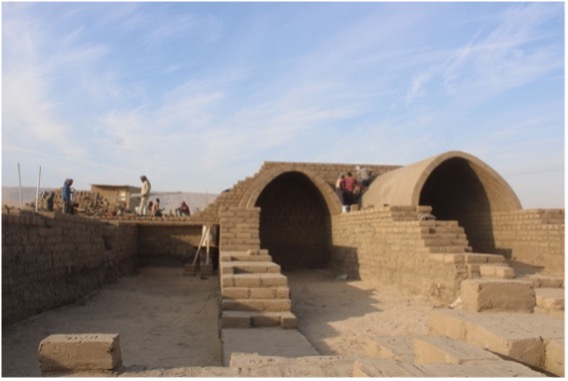
He unearthed remains of two late Sixth Dynasty houses
situated within a massive mud brick enclosure wall dated around the same period (ca. 2332-2181 B.C.). This discovery provides valuable clues to our vision of the ancient landscape of Abydos and raises intriguing questions concerning the early town of Abydos located on the edge of the flood plain.
He also cleared the entire precinct of Ramesses II’s temple outside its stone monument for the first time since its location was first hinted at by Napoleon’s French Expedition
during the early nineteenth century.
Findings revealed that the temple precinct was occupied almost continuously from the thirteenth century BC – when it was constructed – until the eighth century AD. This is an extensive occupation timeline which gives us an intriguing picture of the historical phases of this important ancient Egyptian monument and eventually its fate.
Since his Ramesses II Temple Project began seventeen years ago, work at the site has
included several documentation, restoration and publication initiatives which Iskander will
also briefly present.
ABOUT THE SPEAKER: Sameh Iskander, PhD, is a Research Associate and co-Director of the New York University-Institute for the Study of the Ancient World Expedition to the Temple of Ramses
II in Abydos. He is the co-author of three books (with Dr. Ogden Goelet) entitled
The Temple of Ramesses II in Abydos Volumes 1, 2 and 3 (2015, 2021, and 2022), and is the editor of a fourth book entitled Archeological Discoveries at the Temple of Ramesses II in Abydos,
Volume 1 (2025).
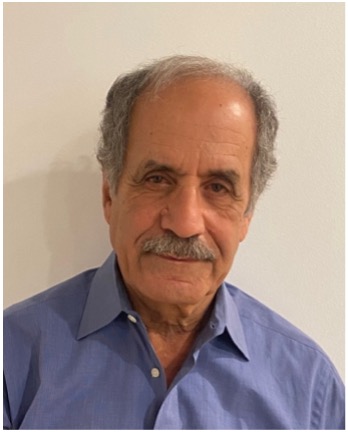
Dr. Sameh Iskander received his PhD from New York University in Ancient Egyptian History and culture. His main research and publications are primarily concerned with the archeology and history of the ancient Egyptian Ramesside Period. More recently, he also focused on the history and archeology of the ancient Egyptian settlements during the Late Old Kingdom and First Intermediate Period.
Dr. Iskander is also a civil engineer, with a BS from Cairo University, Egypt and MS in engineering from the New York University-Polytechnic Institute.
The American Research Center in Egypt, New York Chapter (ARCE/NY) in Association with the Institute for the Study of the Ancient World (ISAW) presents:
Materiality of Death in the Transitional Phase: The Funerary
Landscape of Roman Egypt
SPEAKER: Leah Mascia
DATE/ TIME: Tuesday, September 9, 2023, 5:30 P.M. EST.
ABSTRACT: Imagine walking through an Egyptian necropolis in the aftermath of the Roman conquest and crossing the entrance of a typical elite tomb. You would have been struck by the richness of its decorative program and burial equipment. Just as in the preceding centuries, each element inside the tomb seems to have played a precise role in the long journey of the
deceased to the underworld, from the inscriptions running on the walls of the funerary chamber to the ritual texts painted or carved on the funerary objects surrounding the deceased’s body. Beyond doubt, inscriptions were omnipresent in this context; as if they were in a sort of dialogue, ritual texts on shrouds, canopic chests, coffins, mummy boards, labels and papyrus rolls concurred in protecting the deceased and ensuring their survival in the afterlife. In the collective imaginary the funerary practices of Roman Egypt are too often perceived as a mere echo of the Pharaonic tradition, largely deprived of their original ritual significance. The Roman conquest is thus thought to have triggered a swift and irremediable transformation of the Egyptian funerary habits under the influence of new beliefs, rendering many of the “native” cultural elements but pale reflections of the past. Yet, when one considers the evidence provided by recent archaeological investigations and re-evaluates funerary artefacts today kept in museum collections, Egyptian mortuary practices appear to have remained much closer to the Pharaonic tradition than hitherto thought. Indeed, despite the influence of funerary customs and artistic
trends introduced by foreign settlers, the funerary landscape of Roman Egypt still reflected, in many ways, an abiding adherence to Dynastic archetypes.
This talk will reconsider the paradigm of a “rapid Egyptian cultural decline” by providing a new perspective on the funerary panorama of Roman Egypt. The comparative study of funerary artifacts that differ with respect to materiality and function and the integration of the data provided by archaeological investigations will demonstrate how funerary customs, even at this late stage of Egyptian history, adapted to a changing multicultural landscape while remaining firmly embedded in the Pharaonic tradition.
ABOUT THE SPEAKER: Dr. Leah Mascia is a Post-Doctoral researcher in Egyptology and
Coptology and head of the “Inscribing Spaces” team in the Cluster of Excellence “Understanding Written Artifacts” at Hamburg University’s Center for the Study of Manuscript Cultures. She is also a Post-Doctoral at the Egyptological Seminar of the Freie Universität in Berlin and the Principal Investigator of the project “The Long Journey to the Underworld” (March 2022-December 2025), which studies the production of inscribed funerary artifacts in Egypt between the Roman and the Late Antique periods. A trained field archaeologist and papyrologist, Dr. Mascia is a senior member of the Archaeological Mission of the University of Barcelona working in the ancient site of Oxyrhynchus, where she is in charge of the papyrological and epigraphic documentation, and a senior member of the Archaeological mission of the University of Urbino investigating the ancient city of Cyrene (mod. Libya). Her first monograph, The Transition from Traditional Cults to the Affirmation of Christian Beliefs in the City of Oxyrhynchus, will be published in Fall 2025 by Franz Steiner.
Lanny Bell: An Egyptological Life
Speakers: Sue D’Auria, Peter Lacovara, and Sue Lezon
Abstract:
Lanny David Bell (April 30, 1941 – August 26, 2019) was one of the most accomplished Egyptologists of his generation and his legacy has been celebrated in a volume of studies in his memory: From the Field of Offerings: Studies in Memory of Lanny D. Bell, edited by Sue D’Auria and Peter Lacovara. The book includes a biography of Dr. Bell along with contributions from eminent scholars on the topics of ancient art, archaeology, religion and philology.
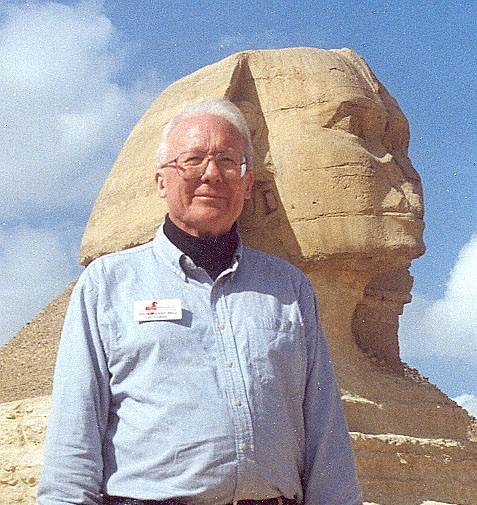
This lecture will cover his extraordinary career from his first job teaching classes at the University of Pennsylvania and working in the Museum there as a curatorial assistant. In 1967 he joined the University Expedition to Abydos, and also instituted a field project to return to the site of Dra Abu el Naga in Western Thebes excavating the tombs of Ramesside officials including Nebwenenef (TT157) and Bekenkhons (TT35) working from 1967 to 1977. Impressed with his abilities, he was offered the position of director of the University of Chicago’s Epigraphic Survey in Luxor headquartered at ‘Chicago House.’ During his tenure in Luxor from 1977 to 1984. As director he supervised the beginning stages of two major publications on the reliefs and inscriptions of Luxor Temple to the exacting standards that are a hallmark of the Oriental Institute’s publications. In addition, on his own he authored a number of important books and articles including studies on Theban temples, the cult of the deified Tutankhamun, Divine Kingship, the royal ka, and aspects of epigraphy.
In 1989 Lanny returned to Chicago as Associate Professor of Egyptology teaching courses in ancient Egyptian literature, the literature and politics of the Middle Kingdom, wisdom literature, Old Egyptian, Late Egyptian and Coptic. Lanny took early retirement from Chicago in 1996 and as an independent scholar moved to Old Saybrook, Connecticut. He was then appointed a lecturer in Egyptology at Brown University and also taught at the Rhode Island School of Design and Columbia University. He also became an active member of the New York chapter of the American Research Center in Egypt. He will be remembered both for his scholarship and as an exceptionally generous and warm-hearted individual who was beloved by so many throughout the field of Egyptology.
The Libyan Pharaohs of Egypt and their Rediscovery
Speaker: Dr. Aidan Dodson
Date: May 6th, 2025
Abstract:
During the tenth through seventh centuries BC, Egypt was ruled by a series of pharaohs of Libyan ancestry. The Libyans had hitherto been enemies of the Egyptians, with conflicts going back into the third millennium BC. Yet early in the tenth century BC the first of a long series of pharaohs of Libyan descent ascended the Egyptian throne.
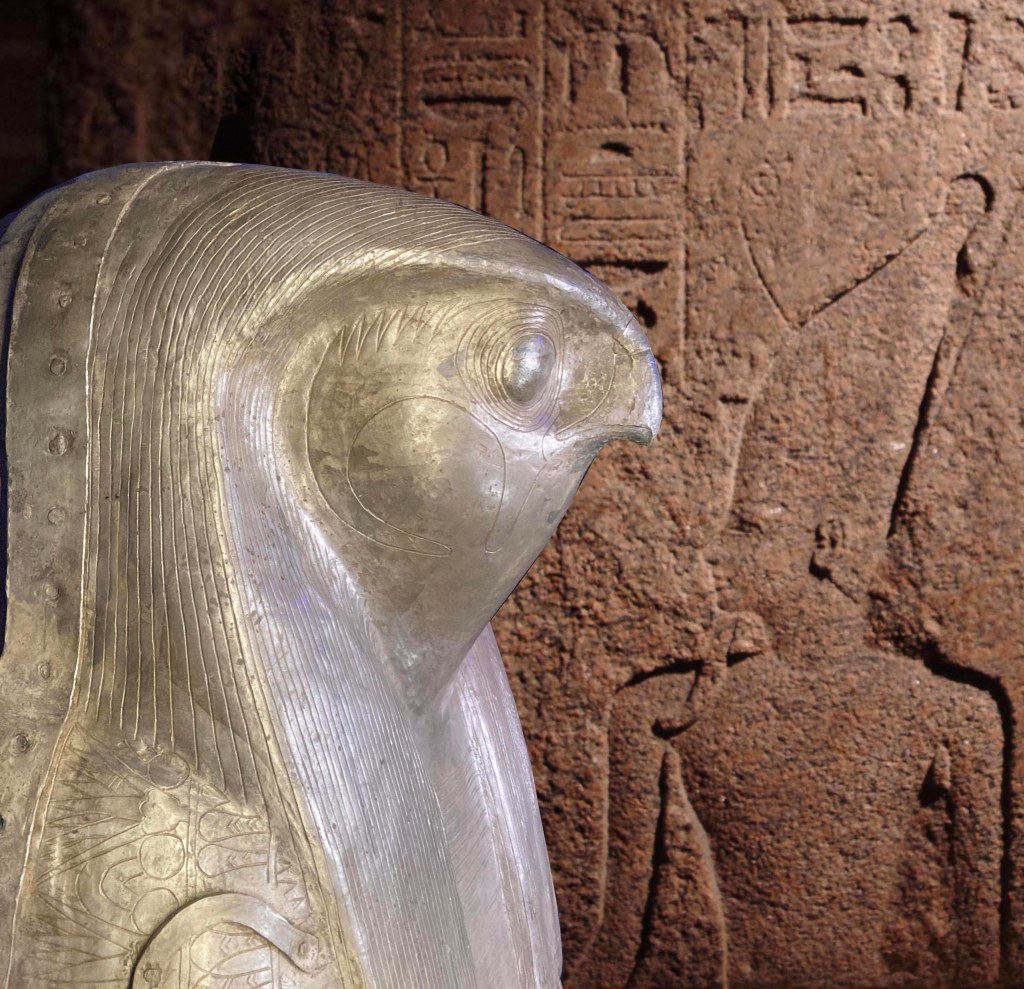
Although the earlier Libyan pharaohs seem to have maintained the tradition of a unitary Egyptian state, as time went by Libyan ideas of decentralised control became more prevalent. As a result, we find individuals holding both Libyan and Egyptian titles controlling distinct territories around Egypt, some of whom assumed the names and titles of a pharaoh. Conflict sometimes accompanied this process, with a long civil war fought for the control of southern Egypt and the great religious capital of Thebes. Some degree of central control was imposed with the advent of a further set of rulers from Nubia during the eighth century, but a single Egyptian state would not be restored until the middle of the seventh century.
The talk will explore some of the strands of history of this often-ignored era of Egyptian history, including the way in which the protagonists were rediscovered by modern historians and archaeologists.
Other Egypt: The Power and People of the Nile Delta
SPEAKER: Dr. Mohamed Kenawi
DATE/ TIME: Wednesday, April 23, 2025, 6:00 P.M. EST.
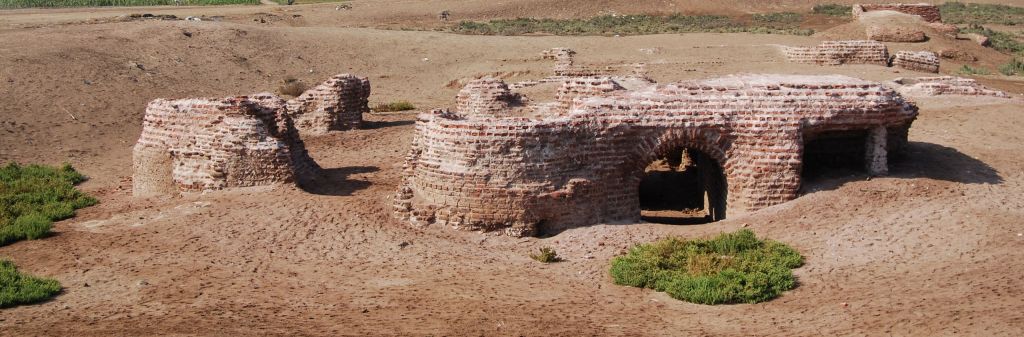
ABSTRACT: The interdisciplinary project investigating the two connected settlements of Kom al-Ahmer and Kom Wasit (ancient Metelis) began in 2012 with the aim of exploring the role of the Western Delta in Egyptian history and addressing unanswered questions about ancient societies, human adaptation, religious practices, and daily life. This lecture will focus on life at Kom al-Ahmer and Kom Wasit from the Late Dynastic to the Late Roman period.
Key aspects of the Ptolemaic residential district and a public tholoi (bathhouse) will be
discussed, along with an overview of the material culture, including Greek pottery and numismatic finds. The Western Nile Delta (chora of Alexandria) was a hub of commerce and trade, actively engaging with Mediterranean ports and facilitating cultural and economic exchanges.
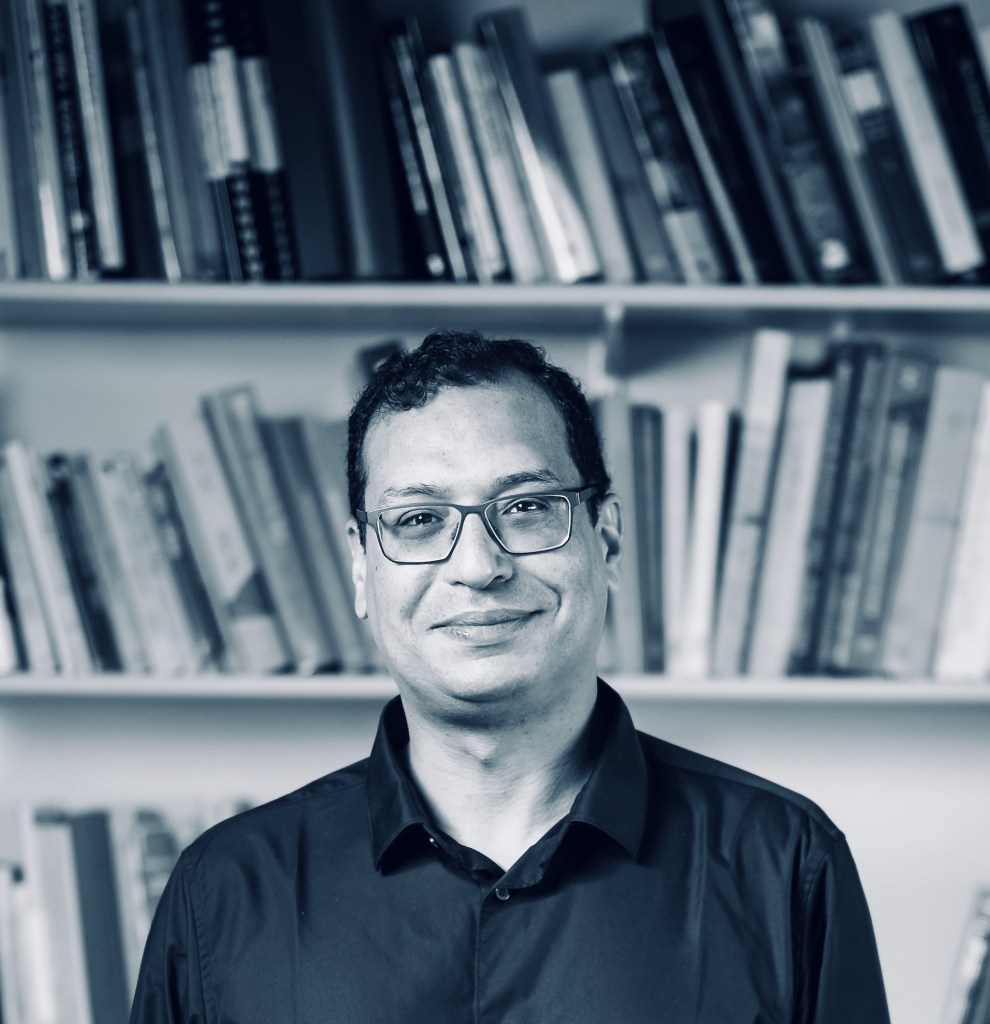
ABOUT THE SPEAKER: Mohamed Kenawi is a Research Associate at the School of Archaeology and Ancient History, University of Leicester. Previously, he worked as a Researcher and Training Manager at the School of Archaeology, University of Oxford, for the Endangered Archaeology in the Middle East and North Africa (EAMENA) Project. From 2011 to 2016, he served as Head Researcher at the Hellenistic Centre of Bibliotheca Alexandrina before becoming Acting Director from 2016 to 2017. He has taught at the American University in Cairo, Catania University, the Arab Academy for Science and Technology, and Al-Farabi Kazakh National University. Additionally, he has contributed to various archaeological and heritage projects in Libya, Italy, and Egypt for over 20 years. He has worked extensively in the Western Nile Delta, particularly at Schedia, Beheira Survey, and co-directs the Kom al- Ahmer/Kom Wasit Archaeological Project.
Since 2018, Kenawi has been working in Rosetta to uncover its history beyond the Rosetta Stone. In Middle Egypt and the Western Desert Oases, he serves as the Principal Investigator for a heritage documentation project. His main research interests focus on the Late Dynastic to Early Arab periods of Egypt.
Streets in Ancient Egypt: An Archaeology of
In-Between Space
SPEAKER: Uroš Matic
DATE/ TIME: Tuesday, April 1, 2025, 6:00 P.M. EST.
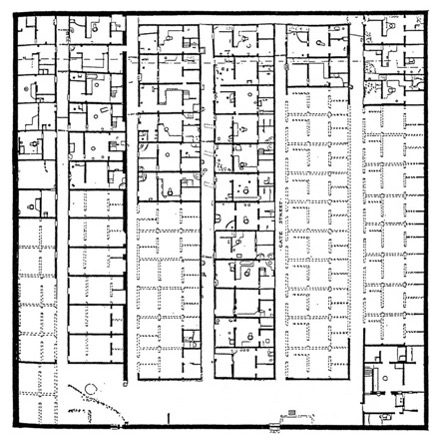
ABSTRACT: In recent decades, Egyptian archaeology has increasingly focused on the study of ancient Egyptian settlements from various periods of pharaonic history. However, the streets in these settlements have often been overshadowed by studies concentrating primarily on the interiors of buildings, particularly domestic spaces. This is due to the misconception that ancient Egyptian streets were merely transitional spaces—passageways where little activity took place. However, textual sources contradict this view, suggesting that streets were vibrant spaces of dynamic social interaction, including activities such as sex work and robbery.
This talk challenges the notion that ancient Egyptian streets were purely transitional
spaces by applying an interdisciplinary approach that integrates archaeology, spatial
analysis, textual sources, and ethnography. Examining settlements from the Middle
Kingdom (ca. 2055–1650 BCE), Second Intermediate Period (ca. 1650–1550 BCE), and
New Kingdom (ca. 1550–1069 BCE)—including Abu Ghalib, Tell el-Dab‘a, Lahun,
Elephantine, and Amarna, new light is shed on the nature of ancient Egyptian street life.
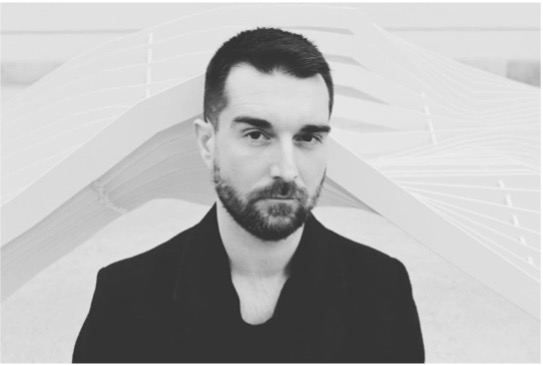
ABOUT THE SPEAKER: Dr. Uroš Matić is a senior fellow at the College for Social Sciences and Humanities of the Ruhr University Alliance in Essen, Germany. He specializes in war and violence in ancient Egypt, as well as settlement and gender archaeology. Matić obtained his PhD in 2017 from the Institute for Egyptology and Coptic Studies at the University of Münster, Germany. He is currently conducting the project Space of Fear: An ANT Approach to Intimidation in New Kingdom Egyptian Palaces (ca. 1550–1070 BCE) in Essen. Previously, he was an assistant professor at the Institute for Ancient History and Ancient Near Eastern Studies at the University of Innsbruck, Austria, and a lecturer at the Institute of Classical Studies at the University of Graz, Austria.
He has also lectured at the Universities of Vienna and Münster and worked for the Austrian Archaeological Institute of the Austrian Academy of Sciences. Matić has extensive fieldwork experience in Egyptian settlement archaeology, including work at sites such as Tell el-Dab‘a, Aswan, and Kom Ombo.
ARCE NY in association with the Salamagundi Club presents:
Switching Genders in Ancient Egyptian Myths:
A Tale of Two Stories
SPEAKER: Dr. Ann Macy Roth
DATE/ TIME: March 4th, 2025 at 6 pm EST.
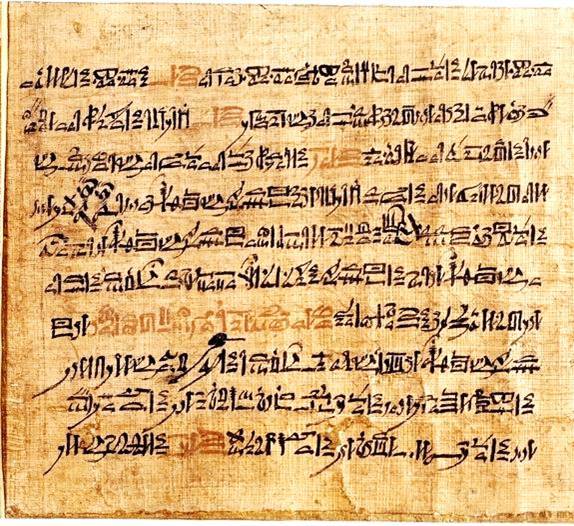
ABSTRACT: A productive way of looking at ancient Egyptian society’s assumptions about the differences between men and women is to examine works of art and literature in which they play the same roles, and note the places where changes needed to be made. For example, one can compare the same chapter of the Book of the Dead when it belongs to a man and when it belongs to a woman. A similar comparison can be made when a man and a woman play the same roles in a literary narrative.
In this lecture, Dr. Ann Macy Roth will argue for the underlying similarity of two well-known ancient Egyptian stories, “The Tale of Two Brothers” from the New Kingdom and “The Myth of Isis and Osiris” as recorded by Plutarch in Greek during the Graeco-Roman period but alluded to in earlier Egyptian texts. By examining what can stay the same in these stories and what must change when the gender of the character is changed, we can gain some insights into what the ancient Egyptians thought about the nature and roles of men and women.
ABOUT THE SPEAKER: Ann Macy Roth grew up in Portland, Oregon and received both her B.A. and Ph.D. degrees in Egyptology at the University of Chicago. After several years at the Museum of Fine Arts, Boston, she served as a visiting instructor at the University of California, Berkeley. She was appointed to a faculty position at Howard University in Washington, D.C. in 1993, and since 2003 she has taught at New York University, where she is now a clinical professor.

Prof. Roth’s field research in Egypt has included directing nine seasons of epigraphic and archaeological fieldwork at Giza between 1989 and 2005, the first part of which was published as A Cemetery of Palace Attendants (Giza Mastabas 6); her second volume on the Western Cemetery is in preparation. Her principal writing project at the moment, however, is a study of the patterns of gender relations in ancient Egypt.
Ancient Egyptian Artifacts at the Colorado History Museum
SPEAKER: David Pepper
DATE/ TIME: February 11th, 2025 (Zoom Lecture)
Abstract:
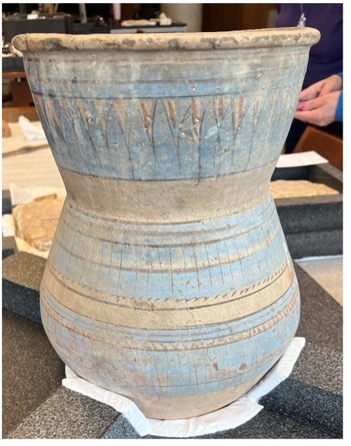
David Pepper has researched Egyptian objects in the Colorado History Museum and was able to find out when and where most were excavated, who owned many of them, and how they came to Denver. It’s a detective story enhanced with information from dig diaries, excavation registration cards, and on-site photographs. All backed up with the words of the excavators from their more-than-100-year-old reports.
Archeologists Flinders Petrie, Eric Peet, and Leonard Woolley carefully documented these finds, making it possible today to recover long-lost information about the objects in the Colorado History Museum collection. This lecture tells the story of re-uniting these artifacts with their provenance,information that was lost for over 100 years.
About the Speaker:
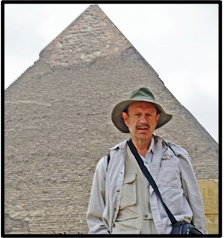
David Pepper is a retired aerospace engineer with a lifelong interest in Ancient Egypt. He was one of the founders of the Egyptian Study Society (Denver), and was formerly an editor of its publications, The Ostracon, and Scribe’s Palette. Over the past 40 years, David has presented many lectures and classes about Ancient Egypt around the Denver-Boulder area. A number of his past lectures are available on the Egyptian Study Society’s YouTube Channel. He was a volunteer docent at the Denver Museum of Nature and Science between 1985 and 2005 and is currently vice-president on the Board of Trustees of The Amarna Research Foundation, a fund-raising organization that supports excavations and conservation projects in Egypt, and is editor of their publication, The Akhetaten Sun.
David has published two books: Akhenaten’s Royal Court: The city at Amarna and its Officials, and After Akhenaten: What happened to his Royal Court? (both are available at Amazon). David and his wife, Jill, have visited Egypt many times, and have been study leaders on several trips to Egypt.
 American Research Center in Egypt, New York Chapter